
The Eight Key Ingredients and Four Phases of Group Process
Executive summary
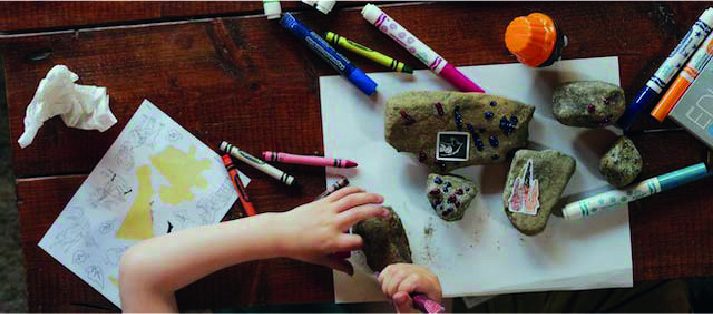
PHASE ONE:
INTRODUCTION (SESSIONS 1-3)
KEY INGREDIENT 1:
ENCOURAGING ACTIVE ENGAGEMENT
e.g. check-ins; mandalas; musical call and response; using objects; drawing
KEY INGREDIENT 2: LEARNING SKILLS
e.g. mindful movement; playing a tune; Grandma’s footsteps; mindful colouring; acrostic poem

PHASE TWO:
BUILDING STRENGTHS (SESSIONS 4-6)
KEY INGREDIENT 3:
DEVELOPING RELATIONSHIPS
e.g. mirroring exercises; group soundscape; puppet master; squiggle game
KEY INGREDIENT 4:
EXPRESSING EMOTIONS
e.g. using puppets; sharing a song; showing feelings in gestures, drawing, poetry
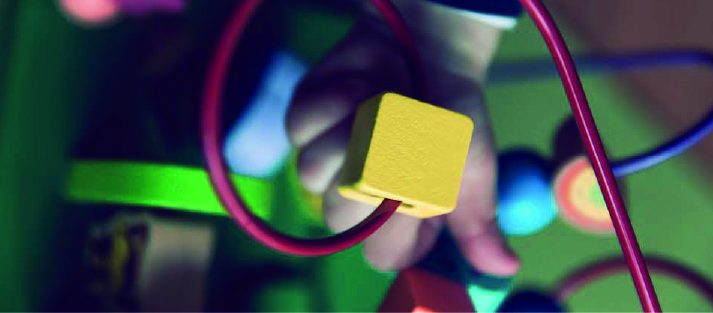
PHASE THREE:
ADDRESSING CHALLENGES (SESSIONS 7-9)
KEY INGREDIENT 5:
PROCESSING AT A DEEPER LEVEL
e.g. authentic movement (witnessing); adding percussion and rhythm to movement
KEY INGREDIENT 6:
GAINING UNDERSTANDING
e.g. creative writing; telling stories with gestures; viewing drawings differently; a group mural

PHASE FOUR:
CLOSURE (SESSIONS 10-12)
KEY INGREDIENT 7: EXPERIMENTING WITH
DIFFERENT WAYS OF BEING
e.g. role play; experimenting with new ways of moving, making sounds and making marks
KEY INGREDIENT 8:
INTEGRATING USEFUL MATERIAL
e.g. the Sankofa bird; using music, movement and collage to represent relationship to the past and future
Who is the group for?
There are several inclusion and exclusion criteria that need to be considered on top of routine initial assessment:
INCLUSION CRITERIA
- Children and young people 7-16
- Strengths and Difficulties Questionnaire (SDQ total scores 12-19; emotion subscale of 5+)
- Symptoms of depression and anxiety (RCADS-47>65 if available)
- Interested and willing to take part in group work
- Interested and willing to take part in the creative interventions
EXCLUSION CRITERIA
- At risk of harming themselves or others
- Comorbid MH problems (e.g., severe eating disorders, learning disabilities and/or autism)
- Other difficulties that would make
attending a group difficult.